foiniki
A place where memories still move through its alleyways.
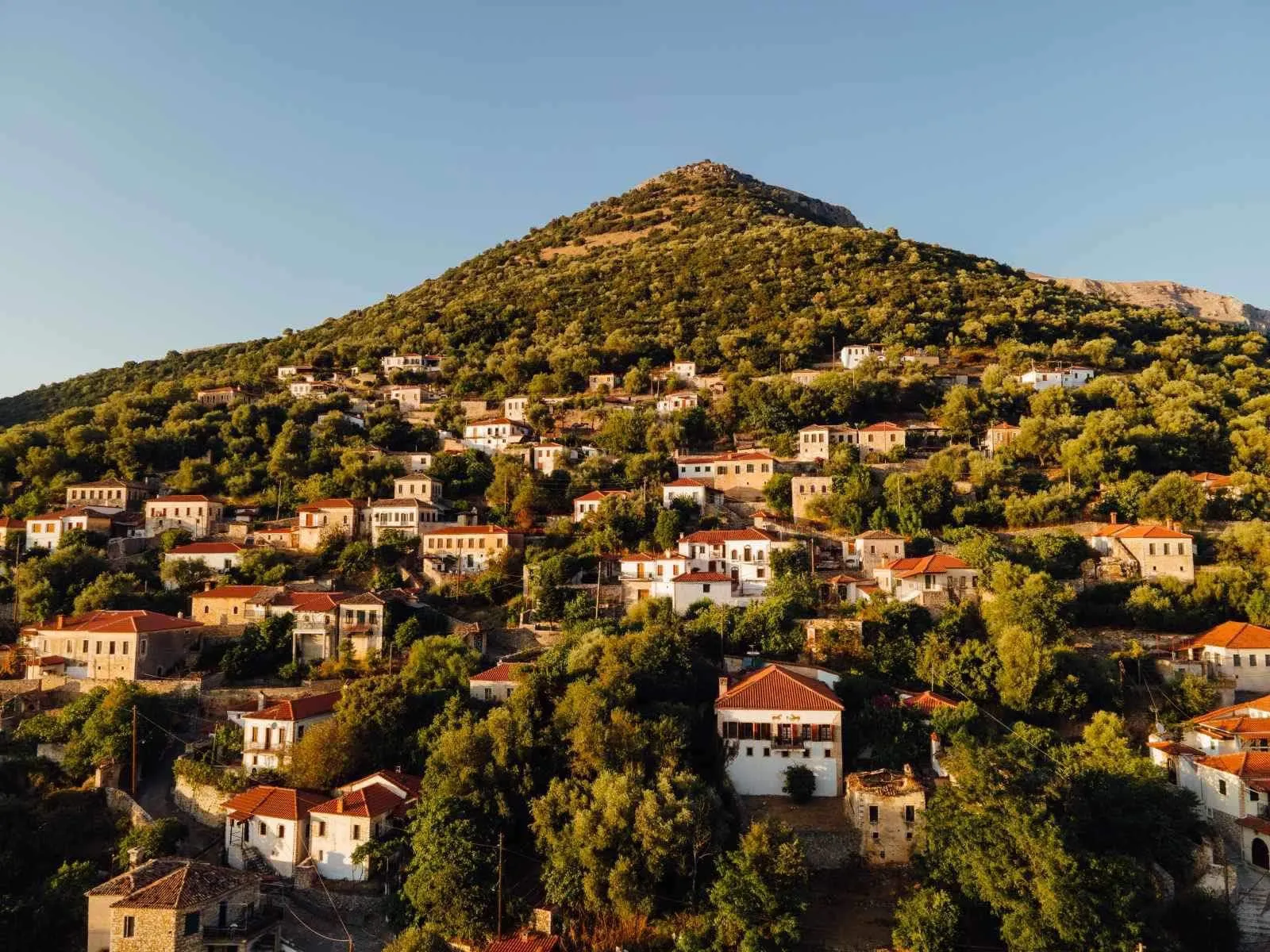
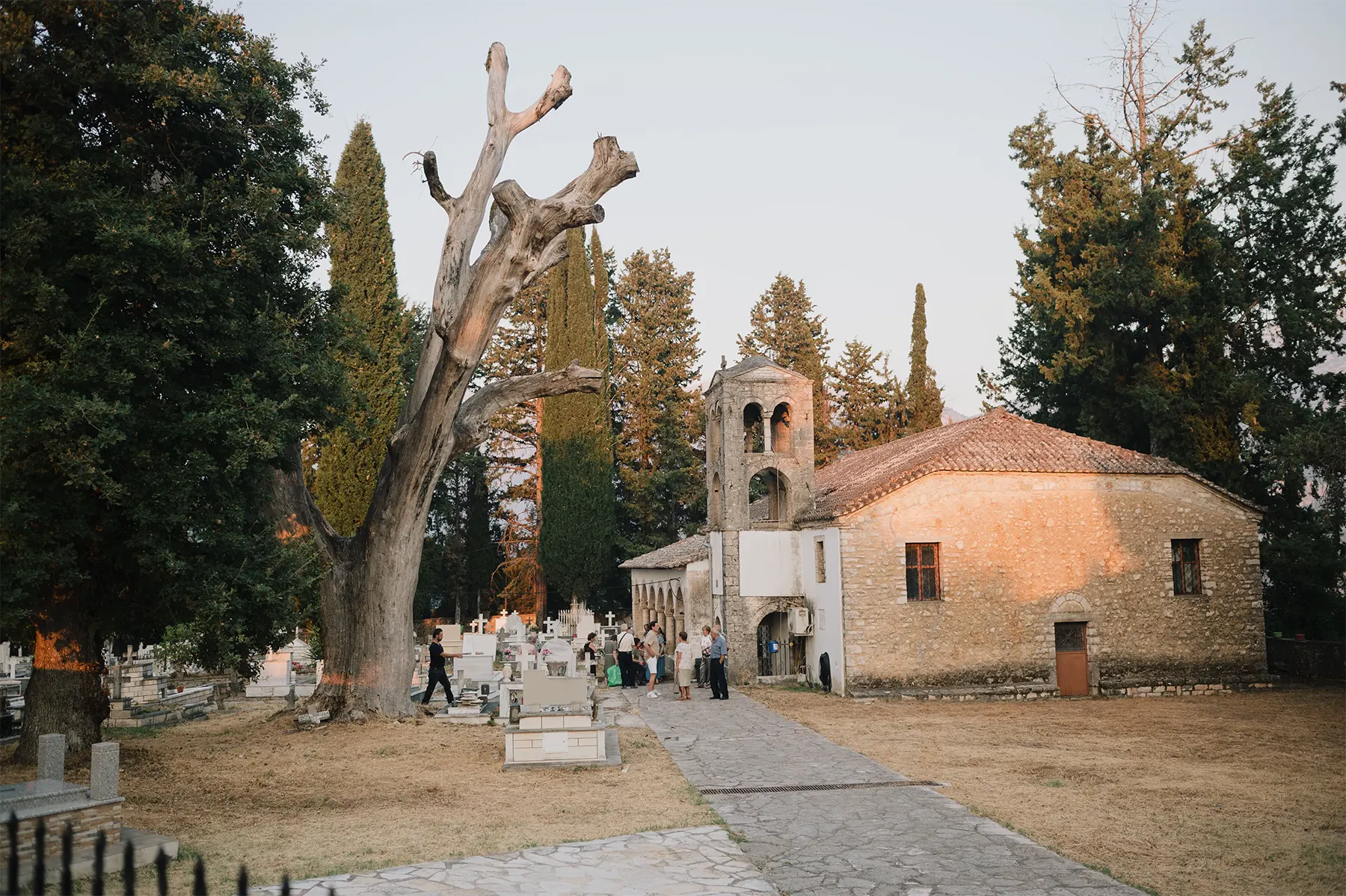
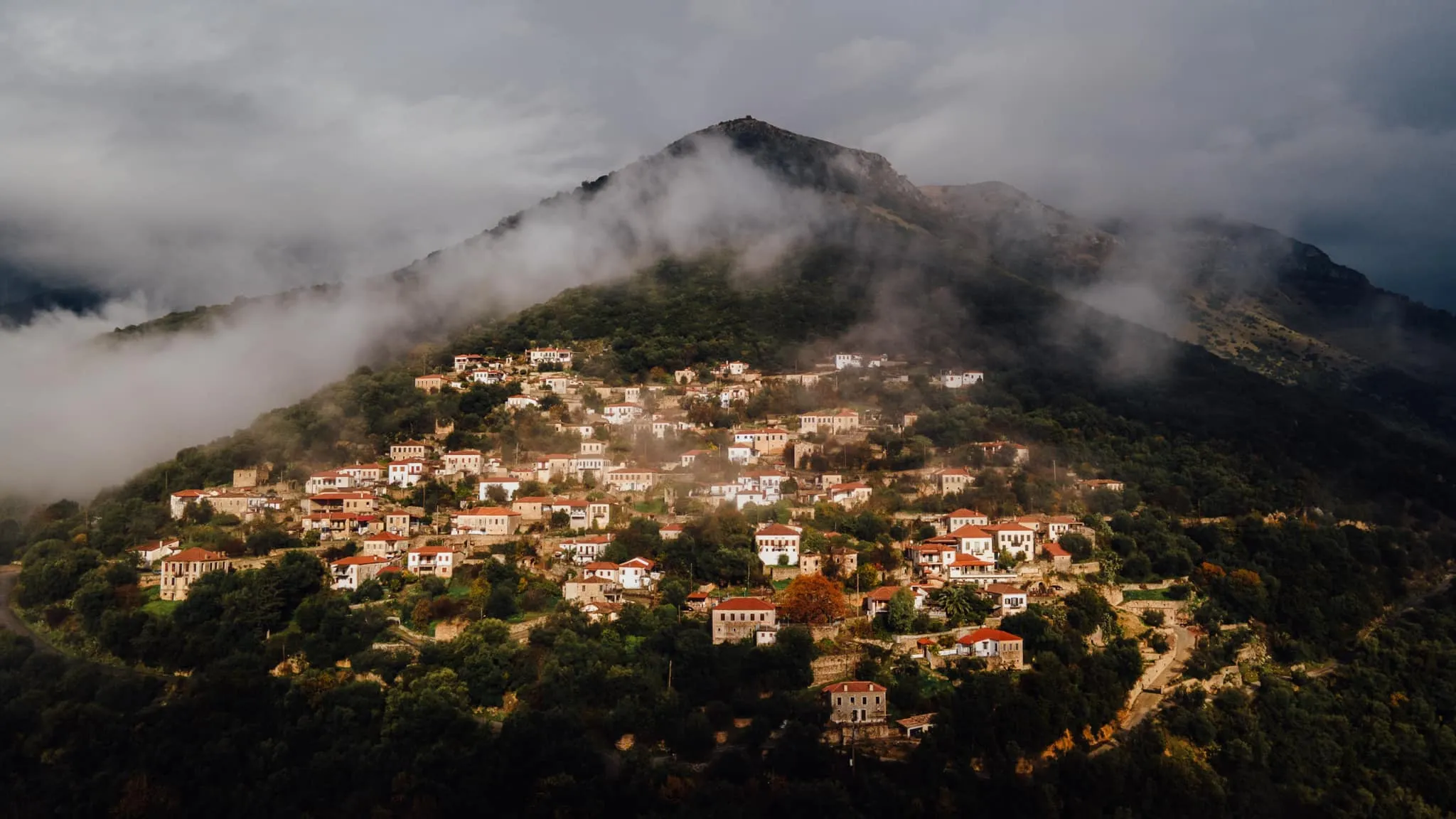
At the foot of Farmakovouni, Foiniki maintains the authentic character of an Epirote mountain village, where everyday life, memory and local tradition remain alive.
According to oral tradition, the initial settlement was to be found on the plain opposite the present-day village. After 1450 and the region’s occupation by the Ottomans, the Christian populations had to move to the mountainous areas to protect themselves. That was also the case for the inhabitants of that small settlement; they took shelter in the contemporary location, on one of the unwelcoming yet safe slopes of the mountain called Farmakovouni, where they gradually built their houses.
Up to 1900 the village was called Foinike, as documented on dowry agreements and other documents, while later the variation Foinikion prevailed. The provenance of those names still remains a mystery. According to one theory, that first settlement of the plain was formed by families coming from the area of Delvino (modern-day Albania), where one can find a village named Foiniki, as well as the ruins of ancient Phoenike, capital of the Chaonians. Another explanation is that the name of the village originates in the bridal jewelry pieces called foinikia, which are also the symbol of the museum.
Men were mainly occupied with agriculture, stock breeding, viticulture and olive oil production. Women raised the children, run the household, brought water and firewood to the house and helped men with the rural tasks. They were also charged with weaving, sewing, making embroideries and knitting. Nonetheless, resources were scarce and life was tough. From as early as the 18th century, the young men of the village started migrating in search of better living conditions, first to Bulgaria, Wallachia (modern-day Romania) and Constantinople (Istanbul), and from 1900 and onwards even to far-away America (USA).
Far from their native land, they struggled to make ends meet, worked hard and eventually thrived; their success resulted in a period of prosperity and cultural flourishing for the village as well. Beautiful houses were built, prosperous households were formed and schools for the children’s education were created. In 1900 there were three different schools operating in Foiniki.
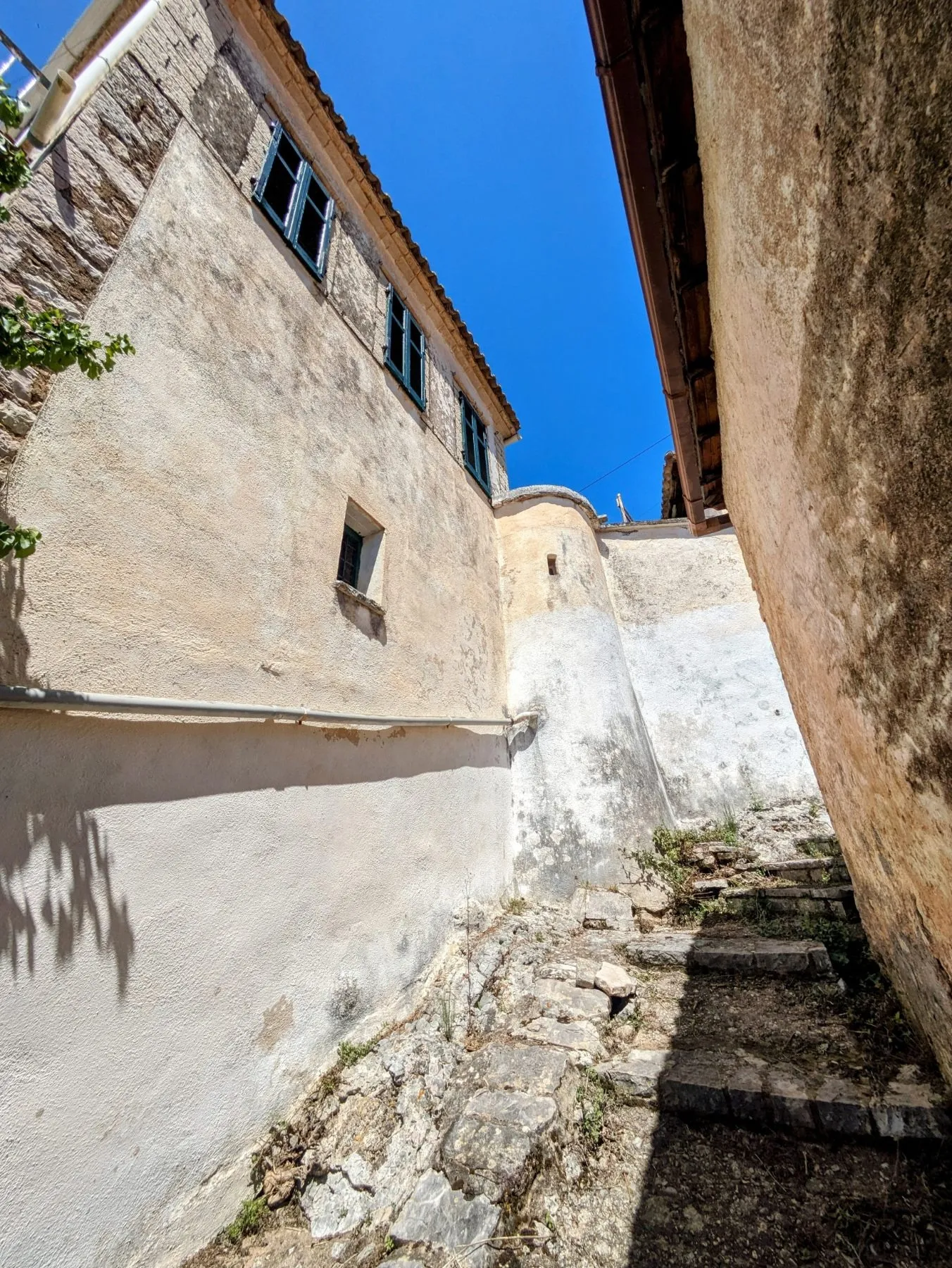
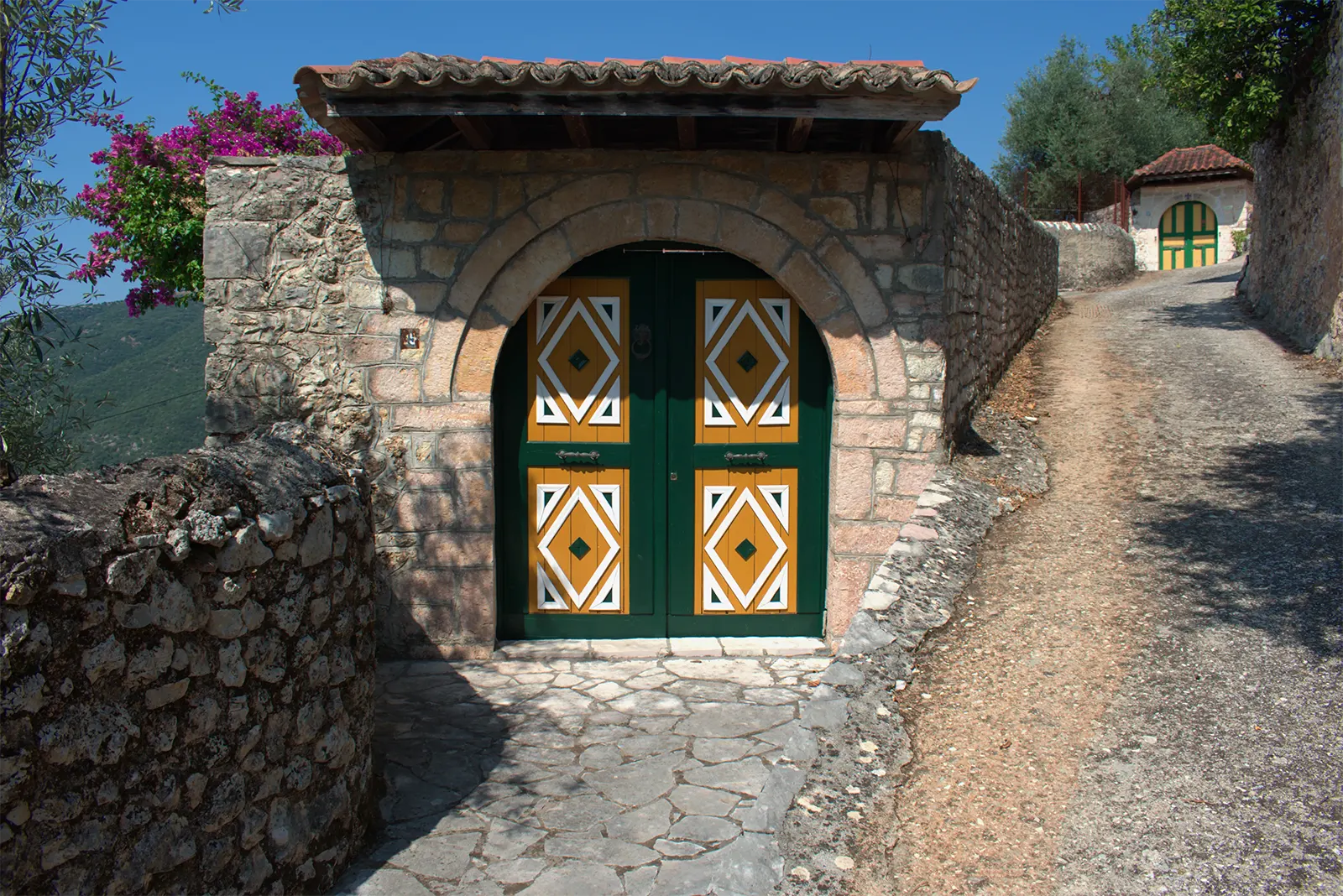
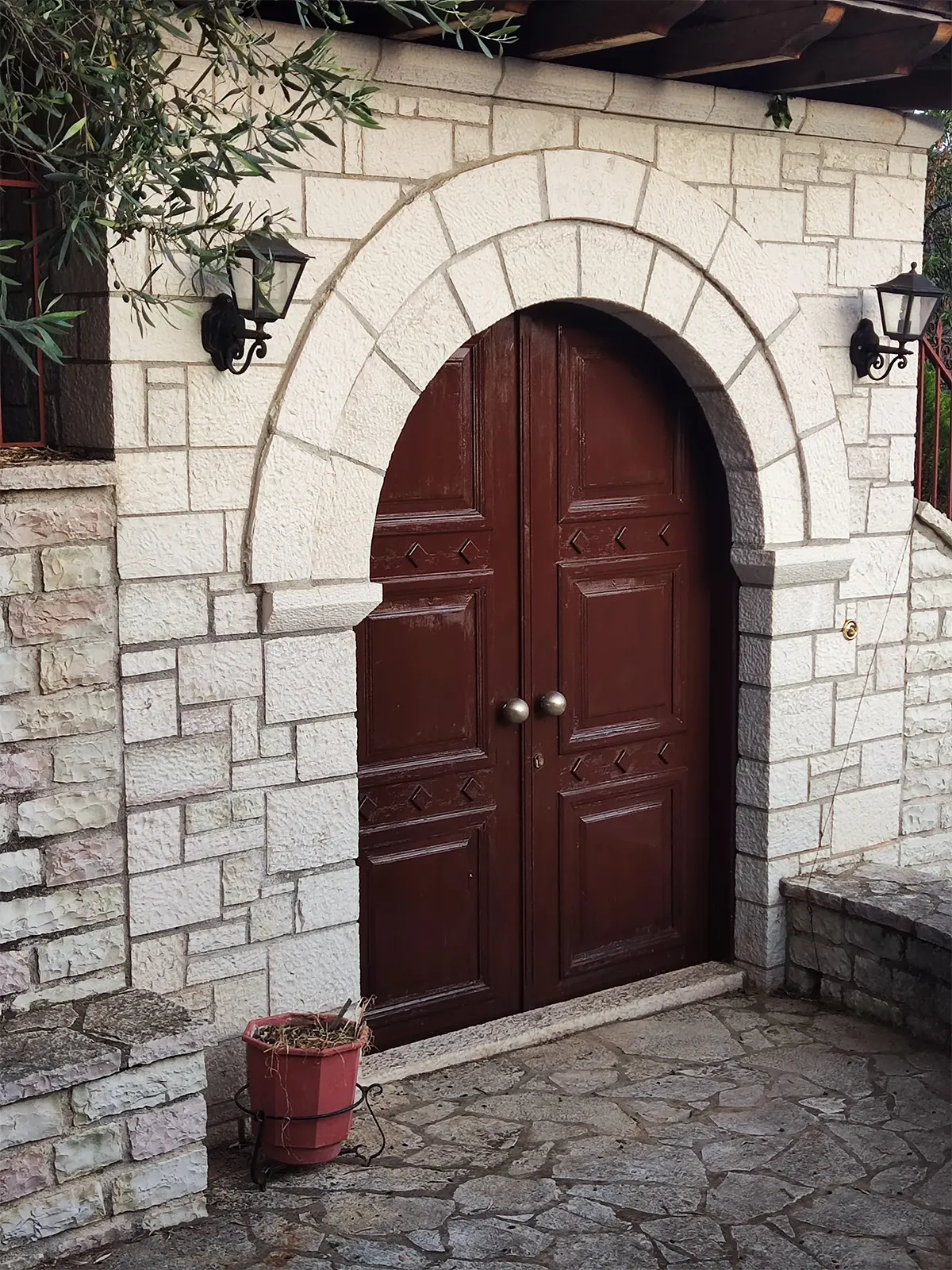
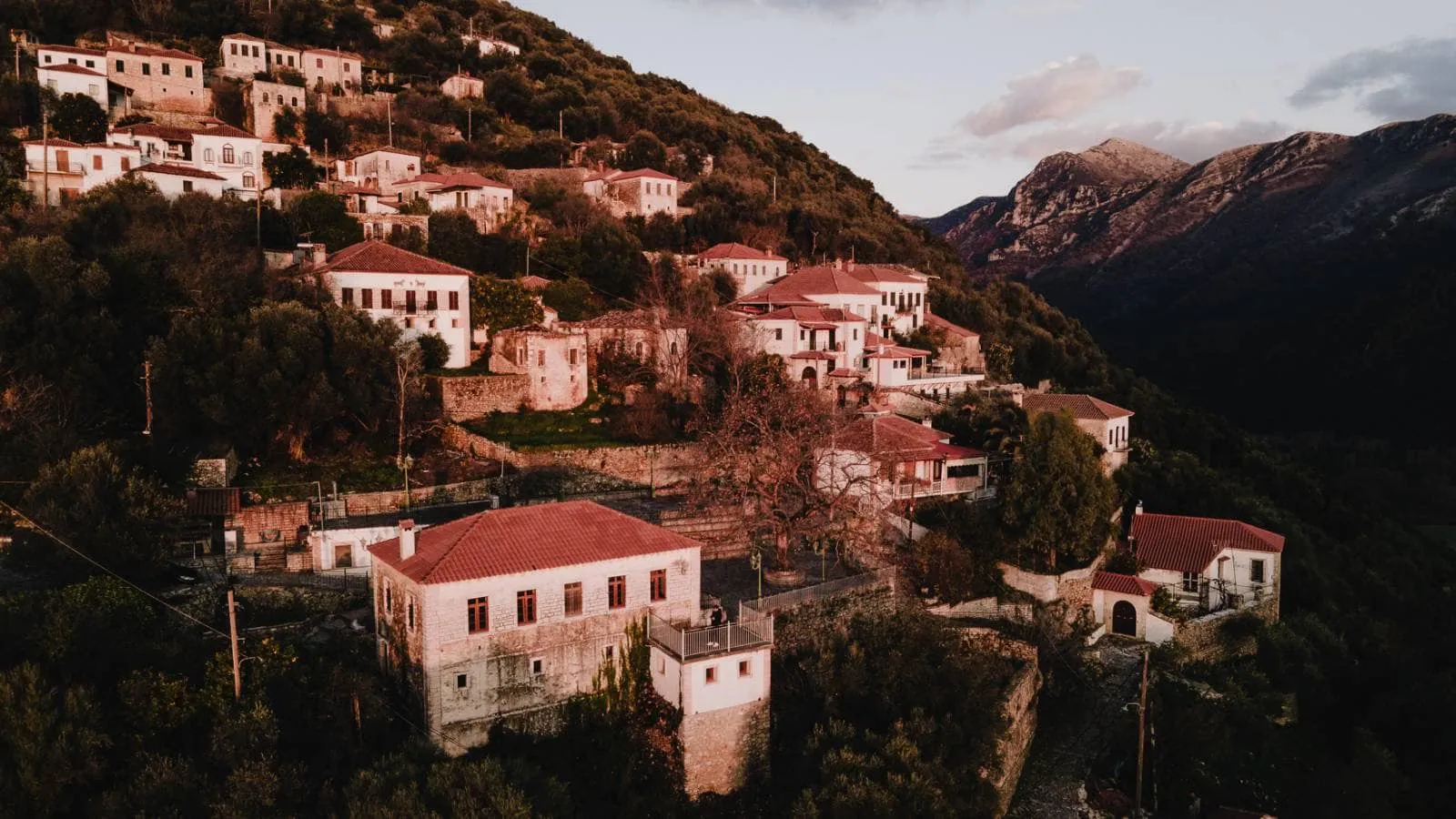
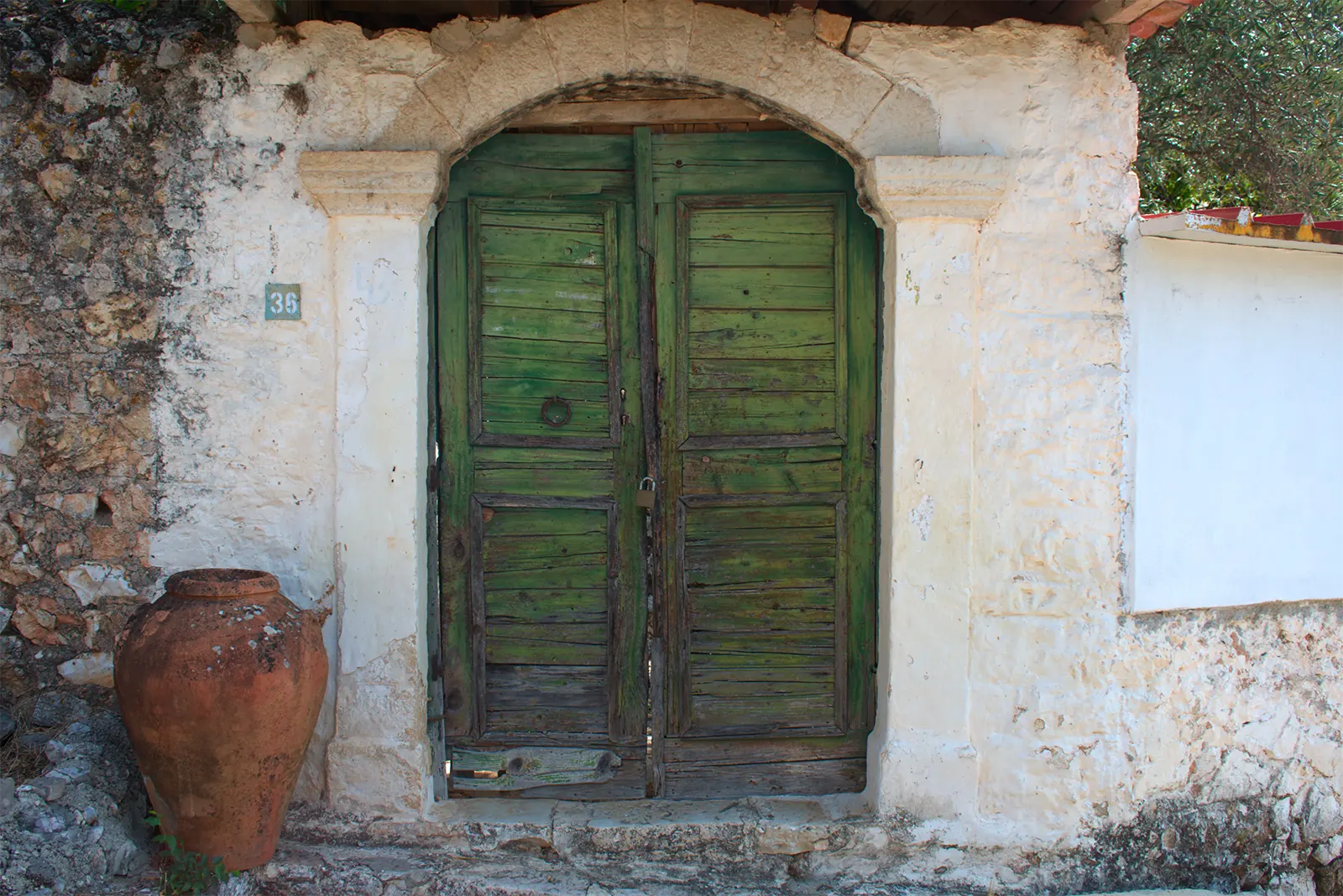
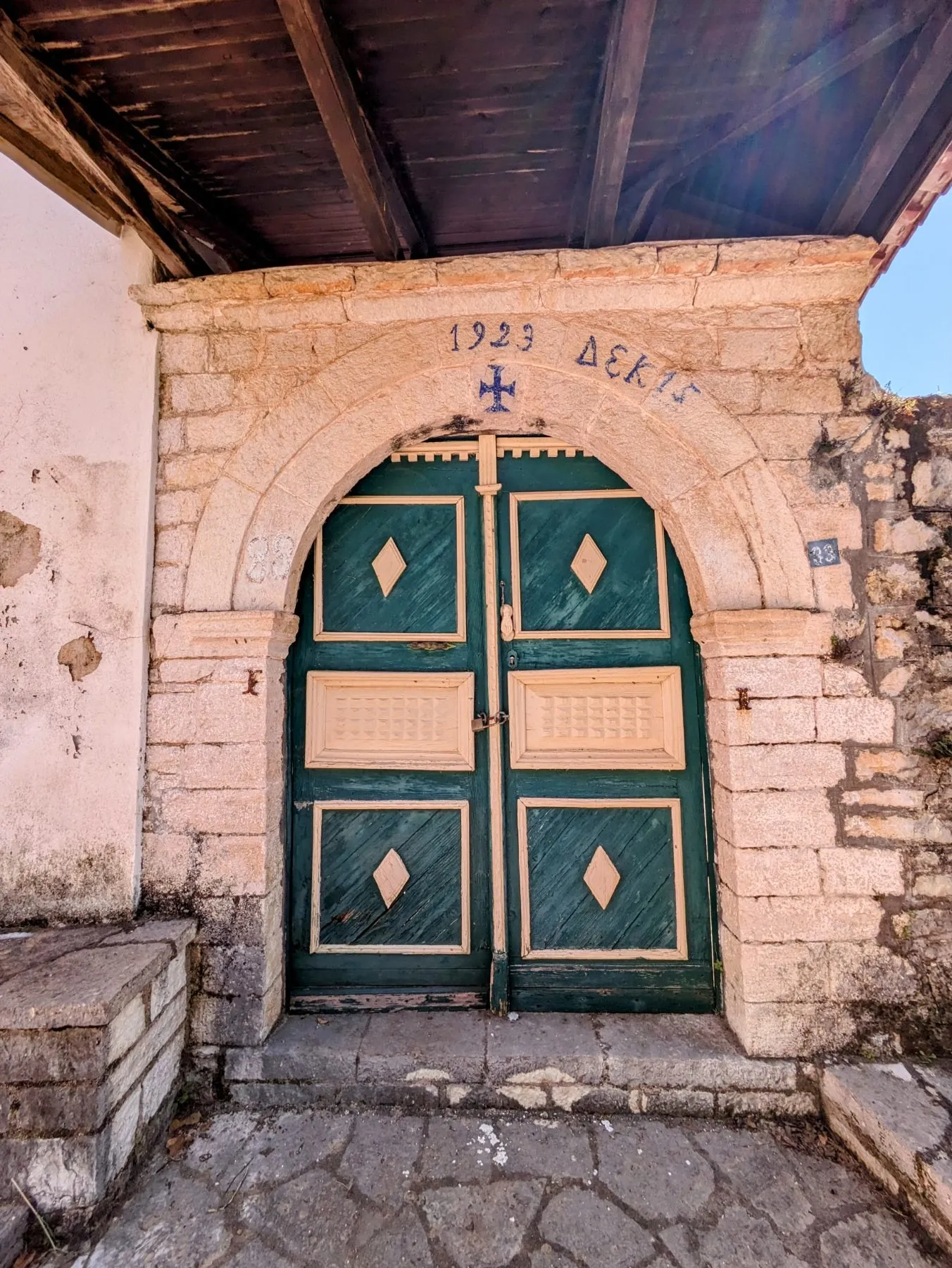
The form and the special architectural features of the settlement were dictated by the need to live on sloping ground and to fortify the residences for the protection of their inhabitants. The houses are usually ground-level or two-storey buildings constructed in close relation with the neighboring houses and have paved yards and other open-air spaces. The entire property is protected by a stone enclosure and entrance is made through an arcaded courtyard door. In 1976 Foiniki was classified as “a place of outstanding natural beauty” by the Greek Ministry of Culture and “an interesting residential ensemble in terms of spatial planning and architecture due to its buildings that have survived in a good state and without modern alterations”.
swipe the photos to see the next onesσύρατε τις φωτογραφίες για να δείτε τις επόμενες